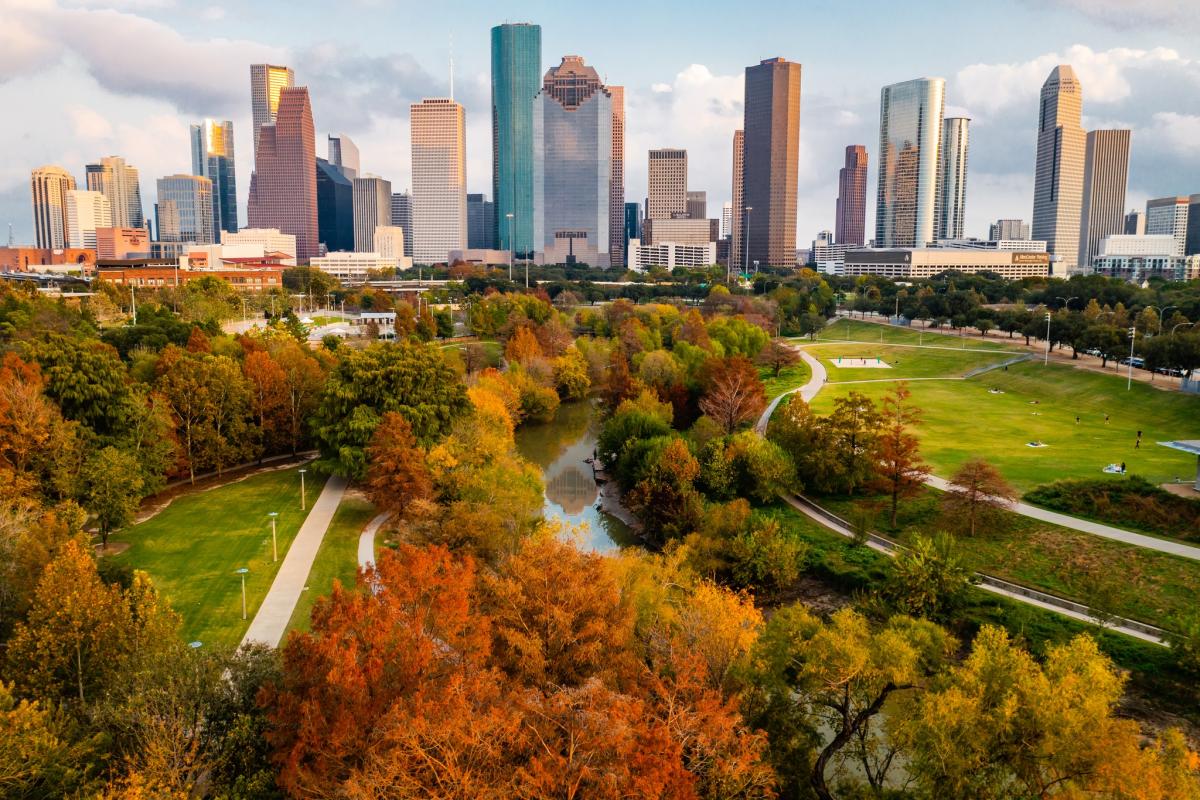
Beyond the Brochures: Uncovering Houston's Climate Reality
Houston, Texas, often shines in official narratives as a vibrant hub of culture, commerce, and innovation. Tourist guides paint picturesque scenes of its world-class museums, bustling culinary landscape, and historic landmarks. Visitors exploring resources like "Visit Houston Texas" or "About Houston, Texas" might discover fascinating details about its dynamic neighborhoods, rich community spirit, and the remarkable timeline of its founding and port development, as outlined by the "Houston History & Timeline" materials. These resources excel at showcasing the Bayou City's many attractions, from its space legacy to its thriving arts scene, aiming to entice travelers and celebrate civic pride.
However, a curious omission often surfaces in these narratives: the significant, undeniable presence of
houston severe storms. While official tourism or historical bureaus rightly focus on the positive aspects that draw people to the city, the reality of Houston's subtropical climate and Gulf Coast proximity means severe weather is an intrinsic part of its story. This isn't a flaw in marketing; it's a strategic focus on what drives tourism and economic growth. Yet, for anyone truly understanding Houston, acknowledging and preparing for its weather challenges is just as crucial as knowing its best restaurants or historical sites. This article aims to fill that gap, exploring the prevalence, impact, and resilience surrounding
houston severe storms, an aspect often left unspoken in the official welcome.
The Unspoken Challenge: A Deep Dive into Houston's Severe Storm Landscape
To truly understand Houston, one must acknowledge its unique geographical position. Situated just miles from the Gulf of Mexico, Houston's climate is heavily influenced by warm, moist air, making it susceptible to various forms of severe weather. This isn't just about a few bad thunderstorms; it's about a consistent pattern of meteorological events that shape everything from infrastructure to community planning.
Types of Severe Storms Affecting Houston
The term "
houston severe storms" encompasses a range of phenomena, each bringing its own set of challenges:
- Hurricanes and Tropical Storms: Perhaps the most impactful and widely known threat. Houston sits squarely in "Hurricane Alley," making it vulnerable to powerful storms that develop in the Atlantic Ocean and the Gulf. Historic events like Hurricane Harvey (2017), Hurricane Ike (2008), and Tropical Storm Allison (2001) serve as stark reminders of the immense rainfall, catastrophic flooding, and destructive winds these systems can unleash. These aren't isolated incidents; the threat is annual during hurricane season (June 1 to November 30).
- Heavy Rainfall and Flooding: Even outside of named tropical systems, Houston is prone to intense, localized downpours. Its flat topography, clay soils, and extensive network of bayous (natural slow-moving streams) mean that water often has nowhere to go quickly. Rapid urbanization, with its vast expanses of concrete and impervious surfaces, exacerbates this issue, turning streets into rivers during heavy rain events. Flash floods are a frequent concern, affecting commutes, homes, and businesses.
- Severe Thunderstorms: Year-round, but particularly in spring and summer, Houston experiences powerful thunderstorms. These can bring high winds, hail, and frequent lightning. While generally less destructive than hurricanes, they can cause significant localized damage, power outages, and contribute to urban flooding.
- Tornadoes: Though less common and typically less severe than in "Tornado Alley" states further north, Houston and its surrounding areas are not immune to tornadoes. These can spin off from larger hurricane systems or form independently during strong spring and autumn frontal passages. While typically smaller and shorter-lived, they still pose a serious threat to life and property.
The cumulative effect of these
houston severe storms is profound. They impact the economy through property damage and business disruptions, strain public services, and emotionally challenge communities. They also drive innovation in urban planning, infrastructure development, and emergency management. For a deeper understanding of how these events have shaped the city, consider reading
Beyond the Brochures: Uncovering Houston's Storm Legacy.
A Legacy of Resilience: How Houston Confronts the Storm
Despite the challenges posed by
houston severe storms, the city has developed a remarkable culture of resilience and preparedness. This isn't just about reacting to events; it's about proactive planning, community engagement, and continuous improvement in infrastructure and emergency response.
Community Preparedness and Infrastructure
Houstonians understand that preparedness is a shared responsibility. The city, Harris County, and countless volunteer organizations work tirelessly to educate residents on creating emergency plans, assembling disaster kits, and staying informed through official channels like Houston TranStar. Infrastructure improvements are ongoing, with massive projects aimed at enhancing drainage capacity, widening bayous, and building new reservoirs, such as the Addicks and Barker reservoirs, which play a crucial role in mitigating flood risks. Permeable surfaces, green infrastructure, and stricter building codes are also increasingly being adopted to reduce runoff and promote better water management.
Emergency Services and Warning Systems
The city's emergency services are highly experienced in managing severe weather events. Robust warning systems, including sirens, reverse 911 calls, and alerts via broadcast media and social platforms, ensure residents receive timely information. Evacuation routes are well-planned, and shelters are established when necessary. Houston's commitment to continuous improvement in these areas is a testament to its resolve in facing down future
houston severe storms.
Navigating the Seasons: Tips for Residents and Visitors
Whether you're a long-time resident or planning a visit, understanding and respecting Houston's climate is essential for safety and peace of mind.
Practical Advice for Staying Safe
- Stay Informed: Always monitor local weather forecasts from reliable sources like the National Weather Service (NWS) and local news channels. Sign up for emergency alerts from the city or county.
- Know Your Evacuation Zone: If you live in a coastal area, understand if you are in an evacuation zone and have a plan for where to go and how to get there.
- Prepare an Emergency Kit: For both residents and visitors staying for an extended period, a kit with water, non-perishable food, medications, a first-aid kit, flashlight, batteries, and important documents is crucial.
- Understand Flood Warnings: "Turn around, don't drown." Never drive or walk through flooded roads. The water depth can be deceptive, and currents can be strong.
- Best Times to Visit: If you prefer to avoid the peak hurricane season, consider visiting Houston in the spring (March-May) or fall (October-November), when temperatures are milder and the risk of severe tropical weather is lower.
- Secure Outdoor Items: During high wind warnings, secure loose items in your yard or balcony that could become projectiles.
By being proactive and informed, individuals can significantly reduce their risk during
houston severe storms. For more insights into how historical events shape our current understanding and preparedness, explore
Examining Houston's Past: What Official Records Miss on Severe Storms.
The Future of Weather: Adapting to Change in the Bayou City
Houston's narrative is one of perpetual growth and adaptation, and its relationship with severe weather is no exception. As climate patterns shift, bringing potentially more frequent and intense rainfall events, Houston continues to invest in innovative solutions. Urban planners and engineers are exploring advanced drainage systems, leveraging natural landscapes to absorb water, and integrating smart technology into city infrastructure to better predict and manage flood risks. The city's ongoing efforts reflect a deep understanding that confronting
houston severe storms isn't just about recovery; it's about building a more resilient, sustainable future for all who call this dynamic metropolis home.
Conclusion
While official tourism and historical accounts of Houston naturally highlight its captivating cultural tapestry and economic prowess, the story of
houston severe storms is an equally vital, albeit less glamorous, chapter. It speaks to the city's geographical reality, its profound resilience, and the unwavering spirit of its people. By openly acknowledging and understanding these powerful weather phenomena, we gain a more complete and authentic picture of Houston—a city that not only thrives but also bravely adapts in the face of nature's challenges, continually working to protect its vibrant communities and ensure its future prosperity.